Nutrition for Adults Over 60
Eat to nourish your body, protect your strength and support
healthy aging—one balanced meal at a time.
Why Nutrition Matters More as We Age
Healthy eating matters at every stage of life, but nutrition
becomes especially important after 60. As we age, our bodies
can change in ways that affect appetite, muscle mass, bone
strength, digestion, hydration and how efficiently we use
certain nutrients.
The goal isn’t to follow a complicated diet. It is to make
everyday food choices that give your body the building blocks
it needs to stay strong, energetic and resilient.
The big idea: After 60, think less about
eating less and more about eating better. Prioritize
nutrient-dense foods that provide protein, fiber, healthy
fats, vitamins, minerals and plenty of fluids.
The Nutrients Your Aging Body Needs
A balanced eating pattern should provide a wide variety of
nutrients. Four areas deserve particular attention as you
get older: protein, fiber, bone-supporting nutrients and
hydration.
Protein
Protein helps maintain muscle and supports recovery
and everyday physical function. Include a protein
source at meals rather than relying on one large
serving at dinner.
Fiber
Vegetables, fruits, beans, lentils, nuts, seeds and
whole grains provide fiber that supports digestive
health and helps make meals satisfying.
Calcium & Vitamin D
These nutrients play important roles in maintaining
healthy bones. Dairy foods and fortified alternatives
can be useful sources.
Fluids
Thirst may become less noticeable with age. Water and
other nutritious fluids should therefore be part of
your daily routine.
Build Your Plate Around Whole Foods
One of the simplest approaches to healthy eating after 60 is
to make whole and minimally processed foods the foundation of
your meals.
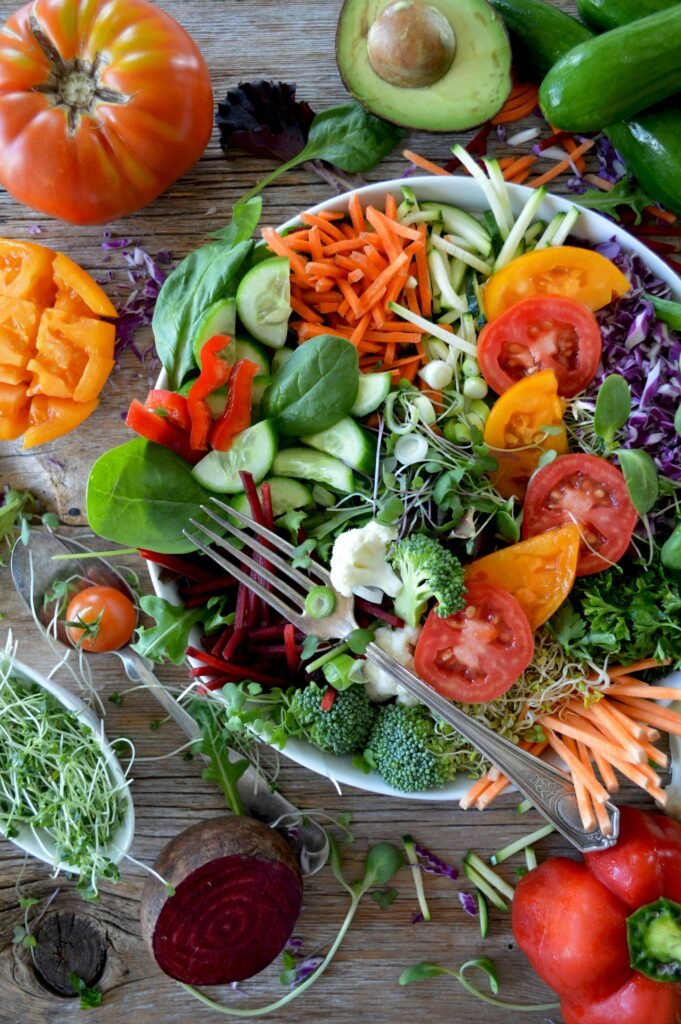
Vegetables
Fill your plate with leafy greens, broccoli, peppers,
tomatoes, carrots, squash and other colorful vegetables.
Fruit
Berries, apples, oranges, pears and other fruits provide
fiber and a variety of vitamins and plant compounds.
Protein-rich foods
Consider fish, poultry, eggs, beans, lentils, yogurt,
kefir, tofu, nuts and seeds.
Whole grains and high-fiber carbohydrates
Oats, barley, brown rice, quinoa and whole-grain breads
can provide useful fiber and energy.
Healthy fats
Extra-virgin olive oil, avocados, walnuts, almonds,
seeds and fatty fish can fit well into a heart-conscious
eating pattern.
Protein: A Priority for Healthy Aging
Maintaining muscle becomes increasingly important with age.
Muscle supports walking, balance, lifting, climbing stairs and
performing the everyday activities that help you remain
independent.
Rather than saving most of your protein for one meal, try
incorporating a quality protein source into breakfast, lunch
and dinner.
Good Protein Choices
- Fish such as salmon, sardines and trout
- Eggs
- Greek yogurt or plain yogurt
- Kefir
- Chicken and turkey
- Beans and lentils
- Tofu and other soy foods
- Almonds, walnuts and other nuts
- Seeds such as chia and pumpkin seeds
Pair Nutrition With Movement
Nutrition and physical activity work together. Strength
exercises, walking, balance work and other appropriate
activities can help support mobility and independence,
while nutritious food supplies the energy and nutrients
needed to stay active.
Don’t Forget Fiber
Fiber is found naturally in plant foods and is an important
part of a healthy eating pattern. Adults over 60 can benefit
from getting fiber from a variety of sources rather than
relying on a single food.
Increase fiber gradually if your current diet is low in it,
and drink enough fluids. A sudden large increase in fiber can
cause digestive discomfort.
Easy Ways to Add More Fiber
- Add berries or an apple to breakfast.
- Include beans or lentils in soups and salads.
- Choose oatmeal or another whole grain.
- Add vegetables to omelets, sandwiches and pasta dishes.
- Keep nuts and seeds available for nutritious snacks.
Healthy Fats Deserve a Place at the Table
Not all fats are the same. Healthy eating after 60 should not
mean eliminating dietary fat. Instead, focus on the quality
and overall balance of the fats you eat.
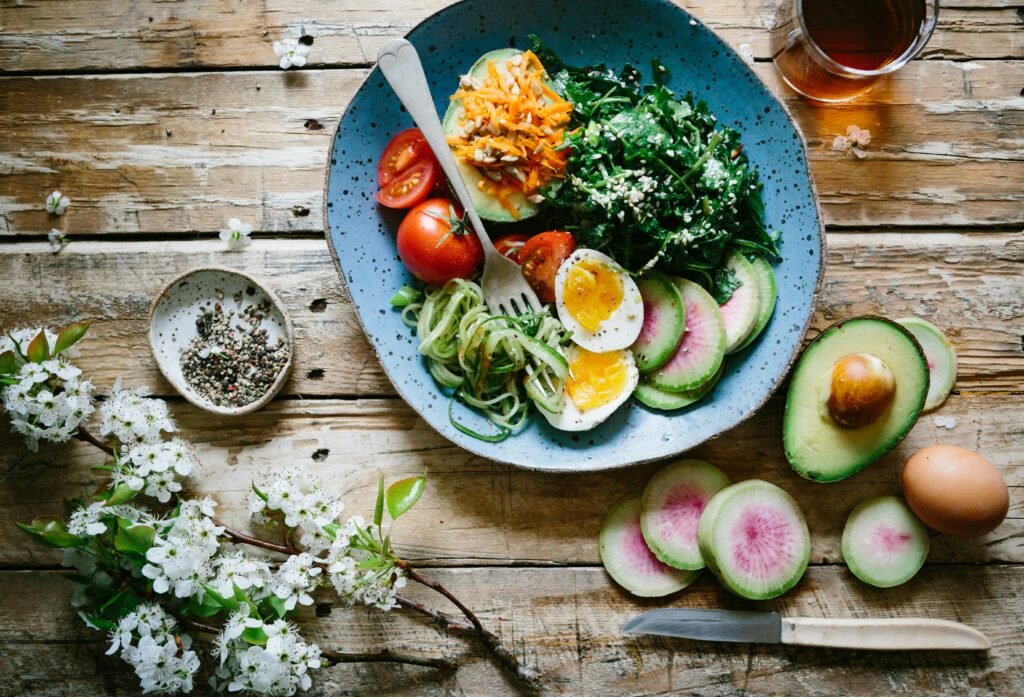
Extra-virgin olive oil, avocado, nuts, seeds and fatty fish
such as salmon provide fats that can fit into a heart-healthy
dietary pattern.
At the same time, highly processed foods containing large
amounts of saturated fat, added sugars and sodium are best
limited.
Hydration: An Often-Overlooked Nutrient
Water is essential for virtually every system in the body.
Yet older adults may not always feel thirsty even when they
need fluids.
Rather than waiting until you are very thirsty, make hydration
part of your daily routine. Keep water nearby and drink
regularly throughout the day.
Hydration Ideas
- Start the morning with a glass of water.
- Drink water with meals.
- Carry a reusable water bottle.
- Include water-rich foods such as fruit and vegetables.
- Use unsweetened tea as another source of fluid.
Your individual fluid needs can vary based on health, activity,
medications and other factors. If a healthcare professional
has given you a specific fluid restriction or recommendation,
follow that guidance.
A Simple Day of Healthy Eating
You don’t need a complicated meal plan. The following example
demonstrates how different nutrient-dense foods can fit
together throughout the day.
Breakfast
Oatmeal topped with berries, chia seeds and walnuts,
accompanied by plain yogurt or another protein-rich
food.
Lunch
A large salad containing leafy greens, tomatoes,
cucumber, beans or grilled chicken, with
extra-virgin olive oil and a whole-grain side.
Dinner
Baked salmon, roasted vegetables and a serving of
quinoa, barley or another whole grain.
Snack
Fruit with a small handful of nuts, or plain yogurt
with berries.
Foods to Limit—Without Becoming Obsessed
Healthy nutrition is not about achieving a perfect diet.
It is about the pattern of your choices over time.
Try to limit foods that provide lots of calories but relatively
few nutrients, particularly when they replace more nutritious
choices.
- Sugary drinks
- Highly processed snack foods
- Excessive sweets and desserts
- Highly refined grains
- Foods very high in sodium
- Processed meats and heavily processed foods
You can still enjoy favorite foods. The key is moderation,
variety and making nutrient-dense foods the foundation of your
normal eating pattern.
Nutrition Challenges That Can Appear After 60
Healthy eating can become more difficult because of changes
in appetite, dental health, digestion, mobility, finances,
cooking ability or simply not knowing what to prepare.
When Appetite Is Low
Smaller, nutrient-dense meals may be easier than trying to eat
three large meals. Prioritize protein and nutrient-rich foods
when appetite is limited.
When Cooking Feels Like Too Much Work
Keep simple ingredients available: canned beans, frozen
vegetables, eggs, yogurt, canned fish with appropriate sodium
levels, oats, fruit, nuts and whole grains.
When Chewing Is Difficult
Softer foods such as yogurt, oatmeal, eggs, soups, cooked
vegetables, beans and tender fish can make nutritious eating
easier. Dental problems should be discussed with a dental
professional.
Supplements: Food First, When Possible
Supplements can be useful in certain situations, but they
should not replace a varied diet. The best approach is to
identify whether you actually need a supplement and determine
the appropriate amount with a healthcare professional.
This is especially important if you take prescription
medications or have a medical condition, because some
supplements can interact with medications or affect how your
body handles certain nutrients.
Remember: More is not automatically better.
Nutritional needs vary from person to person, and high
doses of certain vitamins or minerals can cause problems.
A Simple Nutrition Checklist
Use this checklist to make healthy eating easier rather than
trying to change everything at once.
The Bottom Line
Good nutrition after 60 is not about restrictive dieting or
chasing the latest food trend. It is about giving your body
enough of the nutrients it needs to support strength, mobility,
energy and independence.
Build your meals around vegetables, fruit, protein-rich foods,
fiber-rich carbohydrates and healthy fats. Stay hydrated, limit
heavily processed foods and make changes gradually.
Most importantly, remember that healthy aging is a lifestyle.
Nutrition works best when combined with appropriate physical
activity, restorative sleep, stress management, meaningful
relationships and regular healthcare.
Make Your Next Meal Count
You don’t have to change your entire diet today. Start with
one nutritious meal, one glass of water and one healthy
choice at a time.
One Response