The Complete Guide to Healthy Living After 60
Your 60s can be the beginning of one of the healthiest and most rewarding chapters of your life.
Learn how everyday choices involving food, movement, sleep, hydration, stress, relationships and purpose
can help you age with greater strength, confidence and independence.
Healthy Aging Is About More Than Living Longer
Reaching 60 is not a signal to slow down your life. It can be an opportunity to become more
intentional about how you live it.
Healthy living after 60 is not about following a perfect diet, exercising for hours every day,
or trying to turn back the clock. It is about creating sustainable habits that support the body
and mind you have today.
The goal is simple: protect your health, maintain your independence, preserve your
strength and continue doing the things that make life meaningful.

What You Will Discover
- 1. The Foundations of Healthy Living
- 2. Nutrition After 60
- 3. Movement and Exercise
- 4. Strength, Balance and Mobility
- 5. Better Sleep
- 6. Hydration
- 7. Heart and Metabolic Health
- 8. Managing Stress
- 9. Connection and Purpose
- 10. Building Healthy Habits
- 11. Creating Your Daily Routine
- 12. Your Healthy Aging Action Plan
What Does Healthy Living After 60 Really Mean?
Healthy living after 60 means taking care of the systems that allow you to live independently:
your heart, muscles, bones, brain, digestive system, immune system and emotional well-being.
It is also about reducing preventable risks while maintaining the ability to participate in everyday
life.
The Five Foundations
- Eat well: Give your body nutrient-dense foods rather than simply focusing on calories.
- Move regularly: Keep your muscles, joints, heart and balance working.
- Sleep well: Give your body and brain time to recover.
- Manage stress: Create healthy ways to respond to life’s challenges.
- Stay connected: Maintain relationships, purpose and meaningful activity.
These areas work together. A nutritious diet can support energy for exercise. Exercise can improve
sleep. Better sleep can make it easier to manage stress. Strong relationships can support emotional
well-being.
Nutrition After 60: Feed the Body You Want to Keep
As we age, the body may need fewer calories but still needs plenty of nutrients. This makes
food quality increasingly important.
Instead of thinking about food simply as something that fills you up, think of it as information
and building material for your body.
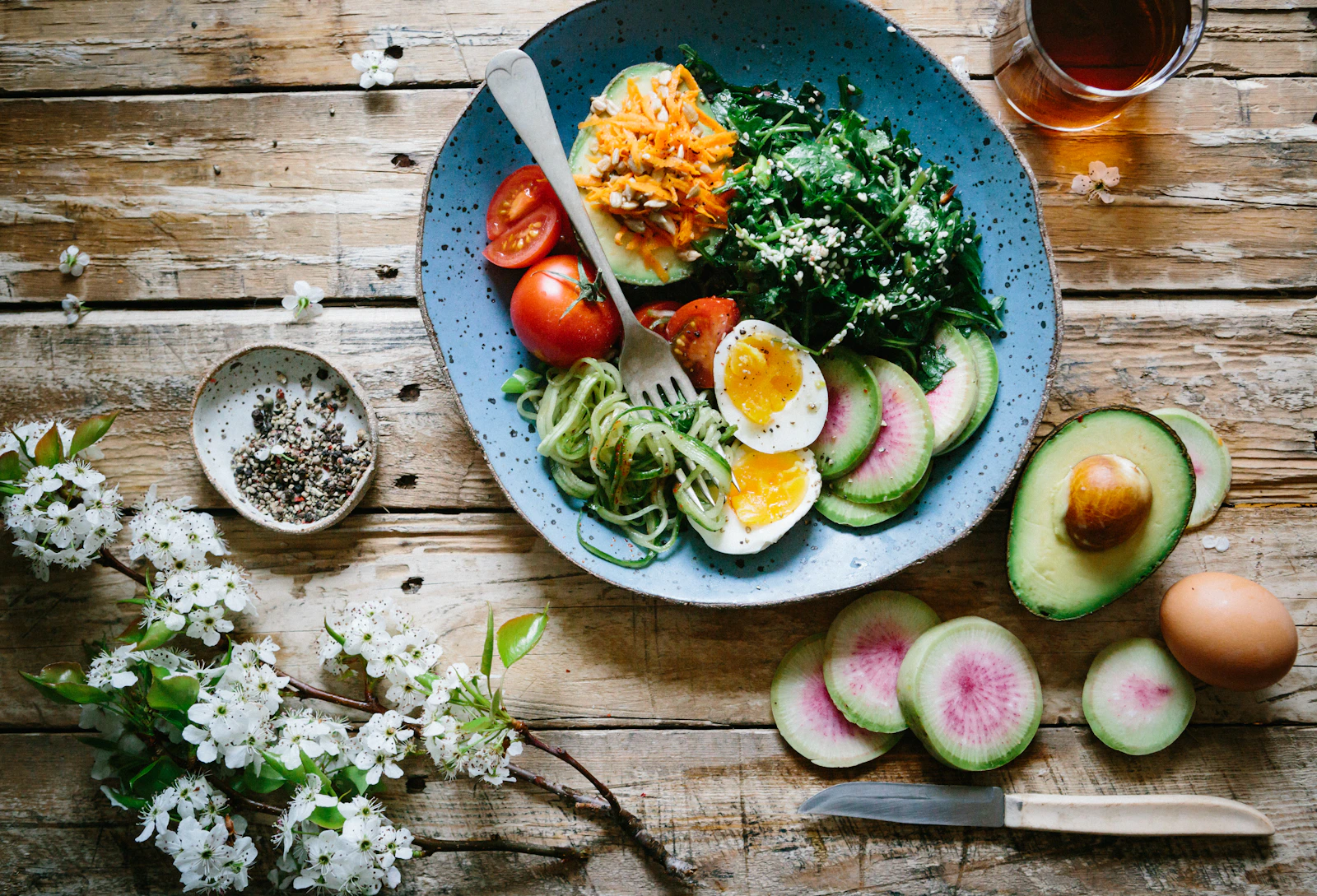
Build Meals Around Whole Foods
- Vegetables of different colours
- Fresh or frozen fruits
- Beans, lentils and other legumes
- Whole grains
- Nuts and seeds
- Fish and other quality protein sources
- Eggs and poultry where appropriate
- Plain yogurt or fermented foods
- Healthy fats such as extra-virgin olive oil and avocado
Protein deserves particular attention after 60 because maintaining muscle becomes increasingly
important for strength, balance and independence.
A Simple Plate
A practical starting point is to make vegetables and other plant foods a major part of the meal,
include a quality protein source, and add a modest portion of whole-food carbohydrates and
healthy fats.
Explore more nutrition guidance in the
Living Well Kasa nutrition resources.
Movement Is One of Your Most Powerful Health Tools
You do not have to become an athlete to benefit from movement. The objective is to keep your body
moving throughout the day and gradually improve what you can do.
Walking, swimming, cycling, dancing, Tai Chi, stretching and strength exercises can all play a role.
Think Beyond Exercise
A 30-minute workout is valuable, but so is getting up regularly, walking around the house,
gardening, taking the stairs when appropriate, doing household tasks and avoiding long periods of
uninterrupted sitting.
Walking
A simple, accessible way to support cardiovascular fitness, mobility and daily activity.
Gentle Exercises
Gentle, controlled movement can help develop body awareness, coordination and balance.
Strength Training
Resistance exercise helps preserve the muscle and physical capacity needed for everyday life.
Protect the Abilities That Keep You Independent
One of the most important goals of healthy aging is maintaining functional fitness—the ability to
perform everyday activities safely and confidently.
Focus on Four Areas
Strength
Supports lifting, carrying, standing, climbing stairs and everyday activities.
Balance
Helps you move confidently and can be especially important for reducing fall risk.
Flexibility
Regular mobility work can help you maintain comfortable movement through daily activities.
Coordination
Controlled movement challenges the brain and body to work together efficiently.
Start Where You Are
If you have been inactive, recovering from an injury, or dealing with mobility limitations,
start with movements you can perform safely. When appropriate, work with a qualified health
professional or rehabilitation specialist to determine what is right for you.
Better Sleep Is Part of Healthy Aging
Sleep is not wasted time. It is part of the body’s recovery process and supports physical,
cognitive and emotional health.
Create a Sleep-Friendly Routine
- Keep a consistent sleep and wake schedule.
- Make the bedroom comfortable, quiet and dark.
- Get natural daylight during the day.
- Stay physically active during the day.
- Develop a relaxing evening routine.
- Limit excessive caffeine late in the day.
- Reduce stimulating screen use before bed when possible.
Persistent sleep problems deserve attention rather than being dismissed as a normal part of aging.
Discuss ongoing concerns with a qualified healthcare professional.
Why Hydration Matters More as We Age
Water is essential for virtually every system in the body. Staying adequately hydrated supports
normal body function and can help maintain energy and physical performance.
Older adults may not always experience thirst as strongly, which makes drinking fluids regularly
particularly important.
Make Hydration Easy
- Keep water visible and accessible.
- Drink regularly rather than waiting until you are very thirsty.
- Include water-rich foods such as fruits and vegetables.
- Drink more when conditions or activity increase fluid needs.
Individual fluid needs vary, especially for people taking certain medications or living with
medical conditions. Follow your healthcare professional’s guidance when specific fluid restrictions
or recommendations apply.
Take Care of the Systems Working Behind the Scenes
Healthy aging includes paying attention to blood pressure, blood sugar, cholesterol, body
composition, cardiovascular fitness and other markers of health.
Build Your Lifestyle Around Heart-Smart Choices
- Eat more vegetables, fruits, legumes and whole foods.
- Choose healthy sources of fats.
- Include appropriate physical activity.
- Limit highly processed foods and excess added sugars.
- Maintain a healthy body weight appropriate for you.
- Do not smoke.
- Keep recommended health appointments and screenings.
“The greatest wealth is health.”
— A timeless principle worth carrying into every decade
Learning to Manage Stress After 60
Retirement, changes in family roles, financial concerns, health challenges and major life
transitions can all create stress.
Stress cannot always be eliminated, but we can develop healthier ways to respond to it.
Healthy Stress-Management Tools
- Slow, controlled breathing
- Walking or gentle movement
- Time outdoors
- Prayer, reflection or meditation
- Music and creative activities
- Talking with people you trust
- Maintaining a regular daily routine
- Getting adequate sleep
The goal is not to create a life without stress. The goal is to become better equipped to move
through difficult periods without allowing stress to control your entire day.
Healthy Aging Includes Your Social and Emotional Life
Nutrition and exercise are important, but they are only part of the picture. Human beings need
connection, purpose and activities that give life meaning.
Retirement can create freedom, but it can also remove some of the structure and social contact
provided by work.
Build a Life That Gives You Reasons to Get Up
- Spend regular time with family and friends.
- Volunteer in your community.
- Learn something new.
- Develop hobbies and creative interests.
- Stay involved with organizations or groups you value.
- Spend time outdoors.
- Set meaningful goals for the next chapter of life.
Purpose Does Not Have to Be Grand
Purpose can be caring for family, helping a neighbour, growing a garden, learning an
instrument, mentoring someone younger, travelling, creating something or simply becoming
healthier so you can enjoy more of the years ahead.
Small Habits Can Create Big Changes
One of the biggest mistakes people make when trying to improve their health is attempting to change
everything at once.
A better approach is to identify one behaviour, make it manageable, repeat it consistently and
gradually build from there.
Morning:
Start the day with hydration, natural light and gentle movement.
Meals:
Make whole, nutrient-dense foods the foundation of your meals.
Movement:
Break up long periods of sitting and include purposeful exercise.
Mind:
Spend time learning, reading, reflecting or doing something mentally stimulating.
Connection:
Make regular contact with people who matter to you.
Evening:
Create a calming routine that prepares your body and mind for sleep.
A Simple Healthy Aging Day
There is no single perfect daily schedule. Your routine should fit your health, responsibilities,
energy level and lifestyle.
Morning
Hydrate, get daylight and move gently.
Breakfast
Choose nutrient-dense foods with quality protein.
Midday
Stay active and eat a balanced whole-food meal.
Afternoon
Walk, exercise, pursue hobbies or connect with others.
Evening
Slow down, relax and prepare for quality sleep.
Start Your Healthy Aging Journey Today
You do not need to transform your life overnight. Start with the areas where you can make a
realistic improvement.
Your 30-Day Healthy Living Challenge
Week 1 — Hydrate
Make regular hydration part of your daily routine.
Week 2 — Move
Add more walking, mobility work or another activity appropriate for you.
Week 3 — Eat Better
Add more vegetables, fruit, legumes, whole grains and quality protein.
Week 4 — Recover
Focus on sleep, stress management, relationships and purpose.
Remember the Bigger Picture
Healthy aging is not about perfection. It is about direction.
Every healthy meal, every walk, every night of good sleep, every meaningful conversation and
every decision to care for yourself is an investment in the years ahead.
Build Your Healthy Living Library
This guide is your starting point. Explore individual Living Well Kasa topics for more practical
information you can apply to everyday life.
Active Aging
Learn how regular movement can help maintain strength, mobility and independence.
Healthy Habits
Discover simple habits that can become part of your everyday lifestyle.
Your Best Years Can Still Be Ahead
Healthy living after 60 is not about trying to be younger. It is about becoming stronger,
healthier and more capable of enjoying the life you have today.
Health information disclaimer:
The information provided in this article is for general educational purposes and is not intended to
replace individualized medical advice, diagnosis or treatment. Health needs vary from person to person.
Speak with your physician or another qualified healthcare professional before making significant
changes to your diet, exercise program, medications or supplements.