Food Is Medicine
How the foods you eat can support your heart, brain, muscles, digestion, energy and independence as you age.
Start Eating for Healthy AgingFood is more than fuel. As we get older, what we eat can play an increasingly important role in maintaining strength, supporting heart health, protecting bone and muscle, keeping the digestive system working well and helping us maintain the energy needed for everyday life.
The goal isn’t to follow a complicated diet. It’s to build a pattern of eating that gives your body the nutrients it needs while making healthy food enjoyable, affordable and practical.
Why Food Matters More After 60
Aging naturally brings changes in muscle mass, appetite, metabolism and nutrient needs. Some adults also eat less because of changes in taste, dental problems, medications, reduced activity or simply a busy lifestyle.
That makes food quality especially important. When you’re eating fewer calories than you did when you were younger, each meal has an opportunity to provide valuable protein, fiber, vitamins, minerals and healthy fats.
The principle is simple: don’t just ask, “How many calories am I eating?” Ask, “How much nutrition am I getting from those calories?”
1. Build Your Plate Around Whole Foods
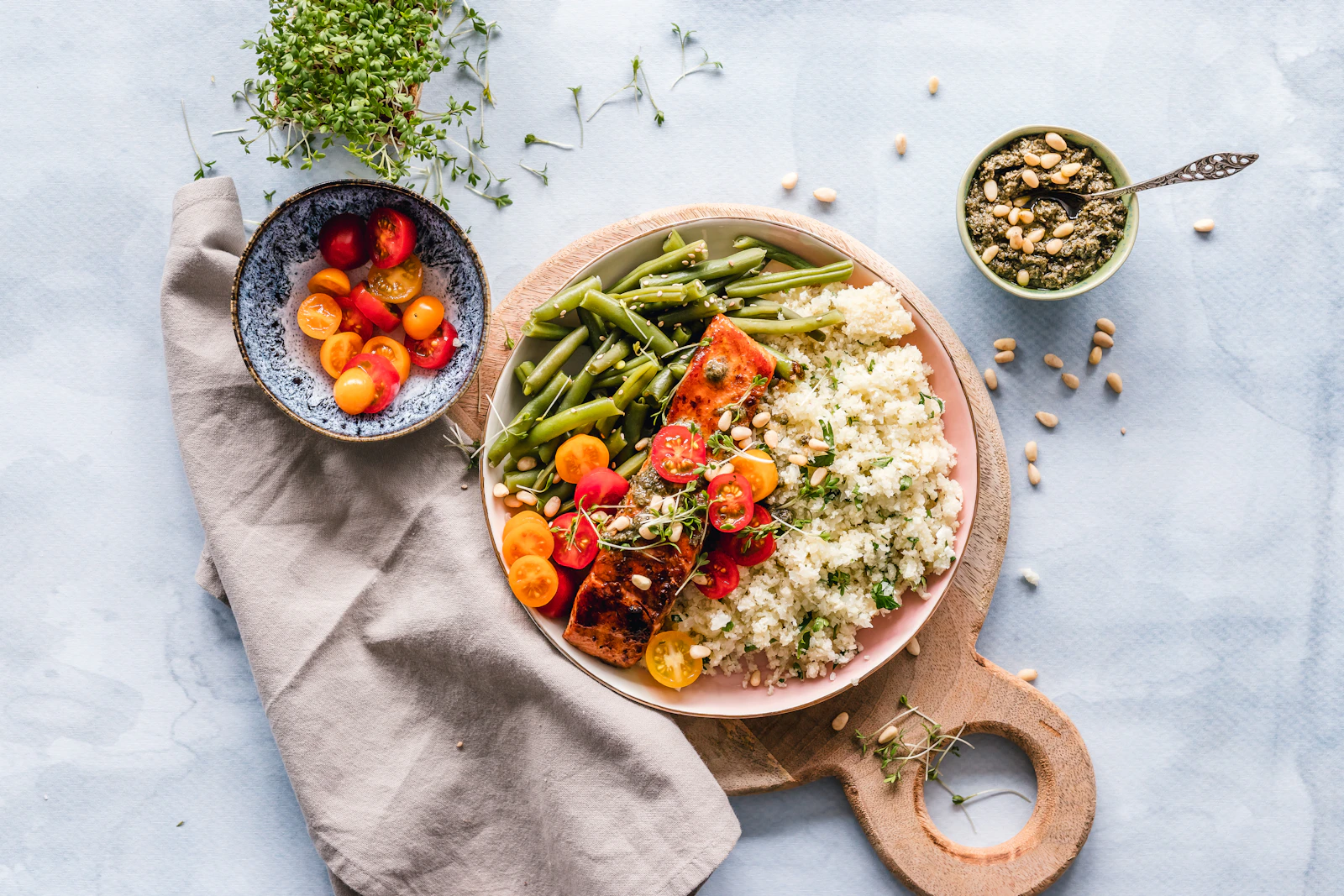
A healthy diet after 60 doesn’t need to be restrictive. Instead, focus on regularly including foods that are close to their natural form.
Vegetables
Leafy greens, broccoli, carrots, peppers, tomatoes, cauliflower and other colorful vegetables provide fiber and a wide variety of vitamins and minerals.
Fruit
Berries, apples, oranges, pears and other whole fruits can provide fiber, vitamins and naturally occurring antioxidants.
Whole Grains
Oats, barley, brown rice, quinoa and whole-grain breads can contribute fiber and important nutrients.
Beans & Legumes
Lentils, chickpeas, black beans and other legumes provide plant protein, fiber and minerals.
Nuts & Seeds
Walnuts, almonds, pistachios, chia and flaxseeds provide healthy fats, fiber and other nutrients.
Fish & Seafood
Salmon, sardines and other fish provide protein and, depending on the type, beneficial omega-3 fatty acids.
2. Make Protein a Priority
Maintaining muscle becomes increasingly important as we age. Adequate protein, combined with resistance or strength training, can help support muscle maintenance.
Instead of consuming most of your protein at one meal, consider including a protein source throughout the day.
Breakfast
Greek yogurt, eggs, cottage cheese, milk or a combination of oats and nuts can add protein to the first meal of the day.
Lunch
Try salmon, tuna, chicken, beans, lentils or a vegetable salad topped with a protein-rich food.
Dinner
Build dinner around fish, poultry, beans, tofu or another nutritious protein source.
Think “protein plus plants.” Pairing a quality protein source with vegetables, fruit, beans or whole grains creates a nutrient-dense meal.
3. Eat for Heart Health
Cardiovascular health remains an important part of healthy aging. Your overall eating pattern can influence factors such as blood pressure, cholesterol and body weight.
A heart-friendly pattern generally emphasizes vegetables, fruits, whole grains, legumes, nuts, seeds, fish and other minimally processed foods while limiting excessive sodium, added sugars and highly processed foods.
Choose More Often
Vegetables, berries, oats, beans, lentils, fish, nuts, seeds and olive oil.
Choose Less Often
Highly processed snacks, sugary drinks, heavily salted foods, processed meats and foods high in saturated fat.
4. Feed Your Brain
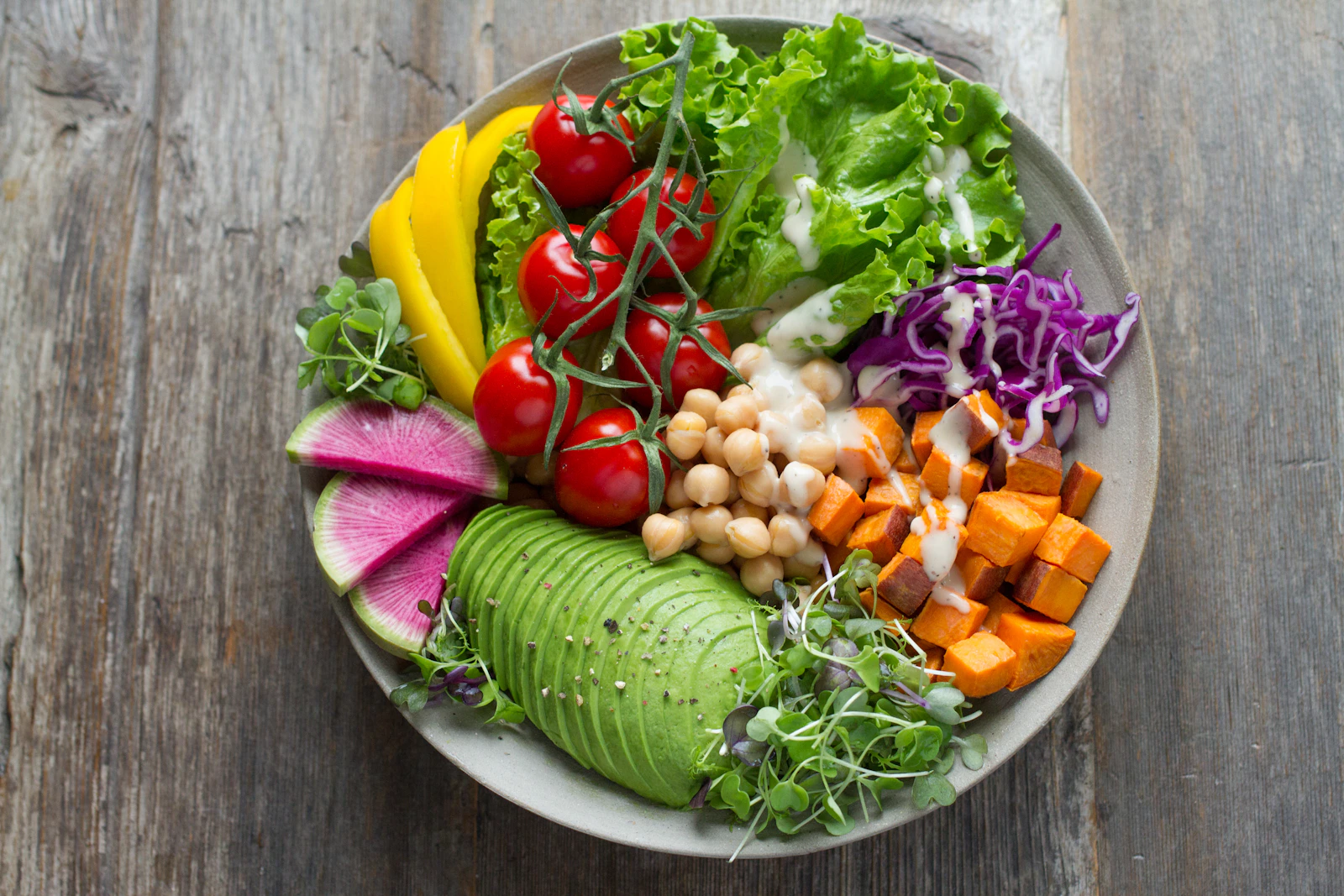
The brain needs a steady supply of nutrients. Rather than relying on a single “brain food,” focus on an overall eating pattern rich in vegetables, fruits, fish, whole grains, legumes, nuts and seeds.
Foods containing healthy fats, fiber, vitamins, minerals and antioxidant compounds can all contribute to a nutritious dietary pattern.
A Mediterranean-Style Approach
A Mediterranean-style pattern is a practical model for healthy eating as we age. It emphasizes plant foods, legumes, whole grains, fish, nuts, seeds and olive oil while keeping highly processed foods to a minimum.
It is not about eating perfectly. It’s about creating a consistent pattern that you can maintain for years.
5. Protect Your Bones and Muscles
Healthy aging requires more than cardiovascular health. Maintaining muscle strength and bone health helps support mobility, balance and independence.
Protein is important for muscle. Calcium-rich foods contribute to bone health, while vitamin D plays an important role in calcium absorption and bone metabolism.
Calcium Sources
Yogurt, milk, fortified plant beverages, calcium-set tofu and some leafy greens can contribute calcium.
Protein Sources
Fish, eggs, poultry, Greek yogurt, beans, lentils, tofu, nuts and seeds.
Vitamin D
Some foods provide vitamin D, including fatty fish and fortified foods. Supplements may be appropriate for some adults based on individual needs.
6. Don’t Forget Fiber
Fiber is one of the most useful components of a healthy diet after 60. It supports digestive health and can help with feelings of fullness. Certain types of fiber can also help support healthy cholesterol and blood sugar levels.
Easy Ways to Add More Fiber
✓ Add berries or sliced fruit to breakfast.
✓ Choose oatmeal or another whole grain instead of refined grains.
✓ Add beans or lentils to soups, salads and stews.
✓ Snack on nuts instead of highly processed snacks.
✓ Include vegetables at lunch and dinner.
Increase fiber gradually and drink enough fluids, especially if your current diet is low in fiber.
7. Hydration Is Part of Nutrition
Thirst may become less noticeable with age, making regular fluid intake important. Water is usually the simplest choice, but soups, milk, unsweetened beverages and water-rich foods can also contribute to hydration.
Don’t wait until you feel extremely thirsty to drink. Developing a regular hydration habit can make it easier to meet your fluid needs.
See a Simple Day of EatingA Simple Healthy-Aging Day of Eating
Here’s an example of how you might bring these principles together. Portions should be adjusted to your individual energy needs, appetite, activity level and medical considerations.
Oatmeal topped with berries, ground flaxseed and walnuts, with Greek yogurt on the side.
Large vegetable salad with chickpeas or grilled salmon, olive oil and lemon, plus a serving of whole-grain bread.
An apple with a small serving of nuts or plain Greek yogurt with fruit.
Baked salmon or beans, roasted vegetables and a small serving of quinoa, brown rice or sweet potato.
Water regularly throughout the day, adjusted according to your individual needs and any medical advice you have received.
8. What About Sugar and Processed Foods?
You don’t have to eliminate every treat to eat well. The bigger issue is what makes up your usual eating pattern.
Highly processed foods can be convenient, but many are high in sodium, added sugars or unhealthy fats while providing relatively little nutritional value.
A useful strategy is to make nutritious foods the foundation of your meals and leave room for occasional foods you simply enjoy.
Common Nutrition Mistakes After 60
Skipping Meals
Regularly skipping meals can make it harder to consume enough protein and nutrients during the day.
Too Little Protein
A meal made mostly of toast, cereal or fruit may provide energy but not enough protein for maintaining muscle.
Not Enough Vegetables
Vegetables provide fiber and a broad range of vitamins, minerals and beneficial plant compounds.
Forgetting Fluids
Waiting until you are very thirsty can make consistent hydration more difficult.
Food Is Medicine — But It Isn’t a Replacement for Medical Care
The phrase “food is medicine” is useful when it reminds us that nutrition can have a meaningful effect on health. But food should not be viewed as a replacement for prescribed medications, medical treatment or professional advice.
Certain medical conditions also require individualized nutrition guidance. Kidney disease, diabetes, heart disease, swallowing difficulties and other conditions can affect which foods and nutrients are appropriate.
If you take prescription medications, speak with your physician, pharmacist or registered dietitian before making major changes to your diet or adding supplements.
The Healthy-Aging Food Formula
Protein + vegetables + fruit + whole grains or legumes + healthy fats + adequate fluids
This simple formula can provide a foundation for nutritious, satisfying meals without requiring a complicated diet.
Combine this way of eating with regular movement, strength training, adequate sleep, social connection and preventive healthcare, and nutrition becomes part of a much bigger healthy-aging strategy.
Make Your Next Meal Count
Healthy aging doesn’t require perfection. Start with one meal. Add a vegetable. Include a good source of protein. Choose whole grains. Drink some water. Then do it again tomorrow.
Back to the TopHealth information disclaimer: This article is intended for general educational purposes and is not medical advice. Individual nutritional needs vary. If you have a medical condition, take prescription medication or have specific dietary restrictions, consult your healthcare professional before making significant dietary changes.