Why Strength Training Is Essential for Seniors
Strength training isn’t just about building bigger muscles.
After 60, it can help you stay independent, improve balance,
protect your bones, support everyday movement and maintain
the strength you need to enjoy life.

Strength is one of the foundations of healthy aging.
As we get older, maintaining muscle becomes increasingly important.
The goal doesn’t have to be lifting heavy weights or becoming a
bodybuilder. The goal is to remain strong enough to live your life
with confidence and independence.
What Happens to Muscle as We Age?
Beginning in adulthood, we gradually lose muscle mass and strength
if we don’t actively work to maintain them. This age-related decline
can make everyday activities such as climbing stairs, getting out of
a chair, carrying groceries or getting up from the floor more difficult.
The good news is that aging doesn’t mean you have to accept becoming
weak. Older adults can improve strength and physical function through
appropriately designed resistance exercises.
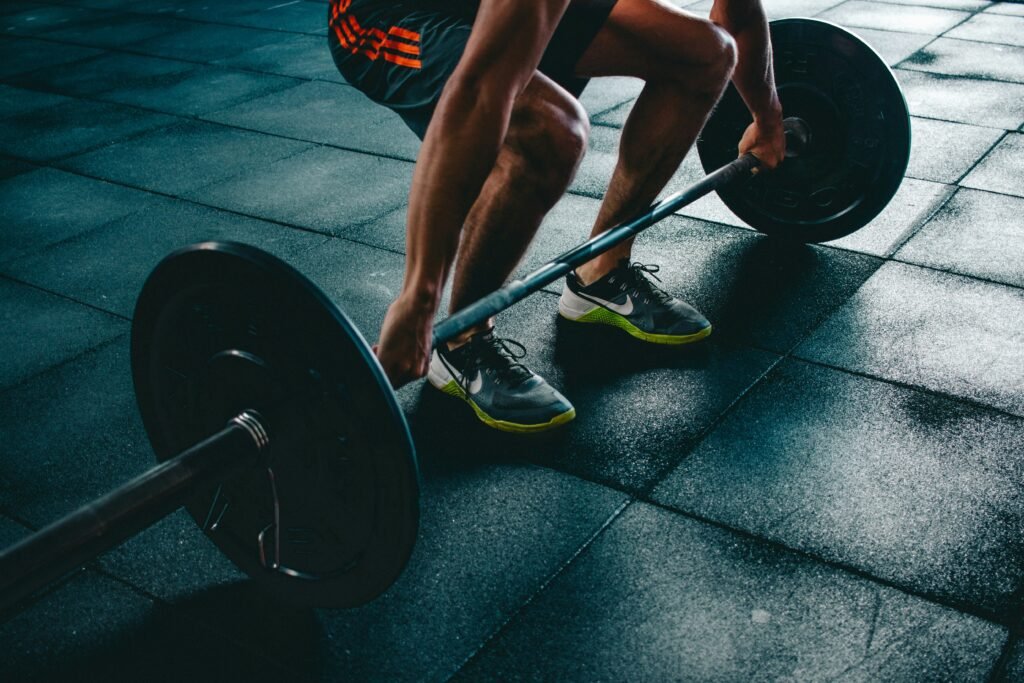
Strength training can be adapted to different fitness levels and abilities.
8 Important Benefits of Strength Training After 60
Helps Preserve Muscle
Resistance exercise gives your muscles a reason to stay
strong. Maintaining muscle can make everyday movements
easier and help you remain physically capable as you age.
Supports Independence
Strength is closely connected to independence. Being able
to stand from a chair, carry shopping bags, climb stairs
and perform household tasks can help you remain active
without relying on others for everyday activities.
Improves Balance and Stability
Strong legs, hips and core muscles contribute to better
stability. Strength training can complement balance exercises
and walking to create a more complete fitness routine.
Supports Bone Health
Weight-bearing and resistance activities can provide
mechanical stimulation that supports bone strength.
This becomes especially important as we get older.
Makes Everyday Activities Easier
Think of strength training as preparation for real life.
Stronger muscles can make tasks such as lifting, reaching,
bending and carrying easier to perform.
Supports Healthy Metabolism
Muscle tissue is metabolically active. Maintaining muscle
through resistance exercise can be an important part of a
healthy lifestyle that includes nutritious food and regular
physical activity.
Improves Confidence in Movement
As you become stronger, activities that once felt difficult
may become easier. That improvement can encourage you to
stay active and participate more fully in daily life.
Supports Healthy Aging
Strength training works particularly well when combined with
walking, aerobic exercise, balance work, flexibility exercises,
adequate protein and good sleep.
You Don’t Need to Lift Heavy Weights
One of the biggest misconceptions about strength training after 60
is that you need a gym full of heavy equipment.
You can begin with your own body weight, resistance bands, light
dumbbells or household objects. The important principle is
progressive resistance: gradually challenging your
muscles as your ability improves.
Chair Sit-to-Stand
Stand up from a sturdy chair and sit back down with control.
This targets the muscles needed for one of life’s most
important movements.
Resistance Bands
Bands can provide adjustable resistance for exercises
involving the arms, shoulders, back and legs.
Wall Push-Ups
Wall push-ups are a gentle way to strengthen the chest,
shoulders and arms while controlling the amount of resistance.
Calf Raises
Holding a stable surface for support, slowly raise and lower
your heels to strengthen the lower legs.
Light Dumbbells
Light weights can be used for controlled exercises such as
biceps curls, shoulder raises and rows.
Core Exercises
Gentle core strengthening can support posture, stability
and control during everyday movement.
“The goal of strength training after 60 isn’t to become an athlete.
It’s to stay strong enough to keep doing the things you love.”
A Simple Strength Routine for Beginners
If you’re new to resistance training, start slowly. A short,
consistent routine is usually more useful than trying to do too
much at once.
Warm up — 5 to 10 minutes
Walk gently or perform comfortable movements to prepare
your body.
Sit-to-stand — 8 to 12 repetitions
Use a sturdy chair and keep the movement controlled.
Wall push-ups — 8 to 12 repetitions
Keep your body controlled and stop if you experience pain.
Resistance-band row — 8 to 12 repetitions
Focus on pulling the shoulder blades gently back.
Calf raises — 8 to 15 repetitions
Hold a stable surface if you need additional balance.
Gentle stretching — 5 minutes
Finish with comfortable movements rather than forcing a stretch.
How Often Should Seniors Strength Train?
A practical starting point for many healthy older adults is
strength training on two or more days per week,
with recovery time between sessions for the same muscle groups.
The exact schedule should depend on your current fitness level,
experience, goals and overall health. If you are beginning after
a long period of inactivity, start with manageable sessions and
gradually build your routine.
Remember that strength training is only one part of active aging.
Walking, aerobic activity, balance exercises and flexibility work
all have an important place in a well-rounded fitness program.
Safety Comes First
Before You Begin
If you have a medical condition, recent surgery, significant
mobility limitations, balance problems or another health concern,
speak with your doctor or qualified physiotherapist before
beginning a new exercise program.
Use controlled movements rather than rushing. Begin with
resistance that allows you to maintain good technique.
Stop exercising and seek appropriate medical attention if you
experience unusual chest pain, severe shortness of breath,
fainting, sudden weakness or other concerning symptoms.
Strength Training and Fall Prevention
Falls are an important concern for older adults. Strength alone
isn’t a complete solution, but stronger legs and better physical
function can contribute to safer movement.
For an effective fall-prevention strategy, combine strength training
with balance exercises, appropriate footwear, good lighting and a
safer home environment.

Combining strength, balance and mobility work can support confident movement.
What About Resistance Bands?
Resistance bands are particularly useful for home workouts. They
are lightweight, inexpensive and can be used for many exercises.
Bands also allow you to adjust the difficulty of an exercise by
changing the band’s resistance, your position or your range of motion.
For beginners, bands can be an excellent alternative to traditional
weights, especially when space or equipment is limited.
Strength Training After 60 Is About More Than Fitness
Being strong isn’t simply about exercise performance. Strength
affects how you experience everyday life.
It can influence whether you feel confident carrying groceries,
climbing stairs, gardening, travelling, playing with grandchildren,
getting up from a chair or moving around your home.
That’s why strength training deserves an important place in a
healthy aging lifestyle.
Frequently Asked Questions
Is strength training safe after 60?
For many older adults, appropriately designed strength
training is safe and beneficial. Start gradually and use
exercises appropriate for your abilities.
Can seniors build muscle?
Yes. Older adults can improve muscle strength and physical
function through resistance training.
Do I need a gym?
No. Many effective exercises can be performed at home using
a chair, resistance bands, body weight or light weights.
How long should a strength workout last?
A beginner workout can be relatively short. Consistency and
appropriate resistance are more important than spending a
long time exercising.
Should I exercise every day?
You can remain physically active every day, but the same
muscles need adequate recovery after challenging strength
sessions. Walking, mobility and gentle activities can be
incorporated on other days.
Key Takeaways
- Strength naturally becomes more important as we age.
- Resistance training can help preserve muscle and physical function.
- Strength can support independence and everyday activities.
- Balance and strength work well together as part of fall prevention.
- You don’t need heavy weights or an expensive gym membership.
- Resistance bands, body-weight exercises and light weights can all be useful.
- Start gradually and focus on good technique.
- Consistency is more important than doing an extreme workout.
Your Next Step
If you’re over 60 and haven’t been doing strength exercises,
don’t think you have to transform your fitness routine overnight.
Start with a few simple movements and build gradually.
Your future self may thank you for every squat, resistance-band
pull and controlled push-up you do today.
Healthy aging isn’t about trying to stop getting older.
It’s about maintaining the strength and ability to make the
most of the years ahead.